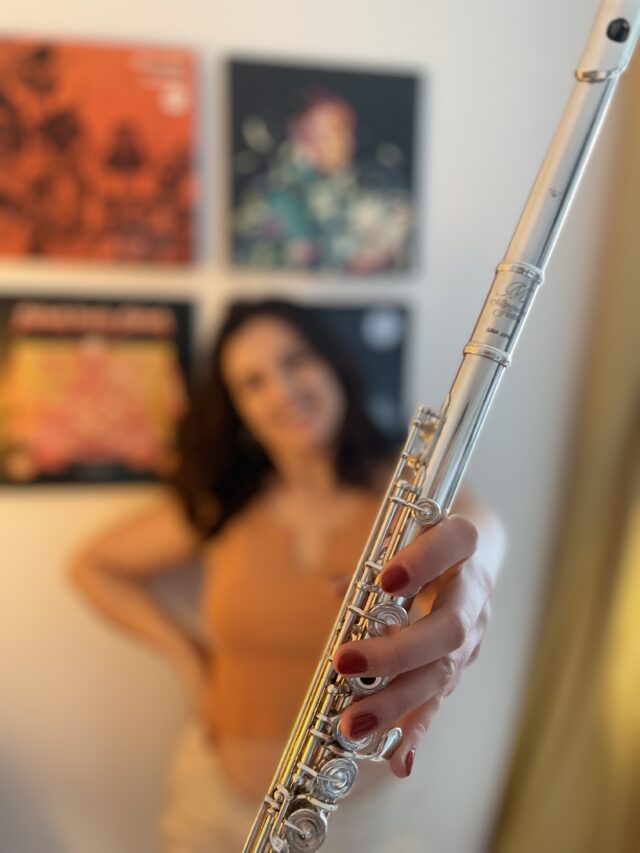
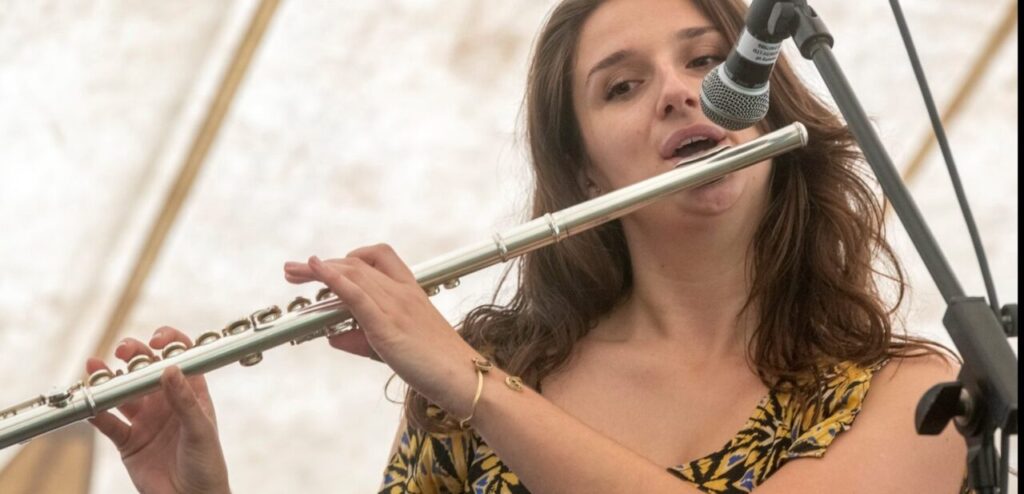
Hello, everyone! I’m thrilled to share with you a topic that is not just close to my heart, but foundational to my life’s work as a flautist and educator: the transformative power of music. Music is far more than just a form of entertainment. It can profoundly impact our lives in numerous ways—emotionally, psychologically, and even physically. Let’s delve into the fascinating world of music’s capabilities.
Emotional Resonance
One of the most immediate impacts of music is emotional. Whether it’s the euphoric highs of a powerful orchestral crescendo or the soul-soothing melody of a flute, music has the power to evoke a wide range of emotions. For educators like me, this emotional depth is a tool that can facilitate profound connections with students. When words fail, music speaks!
Cognitive Benefits
Did you know that learning an instrument can actually make you smarter? Studies have shown that musical training improves cognitive functions like memory, attention, and spatial-temporal skills. For students, these skills can translate into better academic performance. In other words, those flute lessons are more than just fun—they’re an investment in your intellectual growth.
Physical Impact
Yes, you read that right—music can also have physical benefits. For musicians, playing an instrument is a form of exercise that can improve posture and even lung capacity. Plus, the act of listening to music has been shown to lower stress levels by reducing the release of cortisol, a stress hormone.
Music and Mental Health
The impact of music on mental health cannot be overstated. From reducing symptoms of depression to easing anxiety, music acts as a form of therapy. As an educator, I’ve witnessed firsthand how music can serve as a healing force. I find it particularly rewarding to help students harness this power for their own well-being.
Community and Connectivity
Music transcends geographical and cultural barriers to bring people together. Whether it’s a packed concert hall or an intimate flute masterclass, music creates a sense of community like no other. And in this age of technology, digital platforms have made it easier than ever for musicians to connect with their audience worldwide.
Conclusion
To say that music is powerful is an understatement. From enriching our emotional lives to enhancing cognitive functions, its impact is far-reaching. As someone deeply committed to music education, I can’t overstate the joy and value it can bring into your life. Whether you’re a budding musician or a seasoned professional, let’s all continue to explore, share, and celebrate the incredible power of music.
So why wait? Grab that flute, strike a chord, and let’s make some beautiful music together!
With passion and excitement,
Caroline Webb, Flautist and Educator